
Your 42-Week-Old Baby
Your baby's tiny thumb and forefinger are working with precision, which means mealtimes are getting a lot more independent.

By
At 42 weeks, many babies are confidently feeding themselves with the pincer grasp, reaching for cups and making it very clear which foods they will and won't accept. As your baby relies less on milk feeds for nutrition and comfort, you might find yourself experiencing a complicated mix of emotions: pride in their growing independence, maybe some relief and possibly a little grief too.
I talked to Dr. Chris Klunk, a board-certified neonatologist at Pediatrix Medical Group, to explore how the pincer grasp changes feeding, and pediatric dentist Dr. Amber Bonnaig about when and how to introduce sippy cups (and what to know about choosing their first “big kid” cup).
🚼 Baby’s Development
The pincer grasp meets mealtime
If you've noticed your baby picking up individual Cheerios, pinching blueberries between their thumb and forefinger, or carefully selecting exactly which piece of avocado they want, the pincer grasp has officially arrived at mealtime. And it’s a big step in their feeding independence.
Around 42 weeks, many babies have refined this skill enough to feed themselves with real precision—getting most of their food into their mouths rather than their lap or bib. They're no longer just raking food toward themselves with their whole hand, instead, they're using that tiny thumb-and-forefinger combo to pick up small pieces.
Dr. Klunk explains that this stage is all about growing independence, even when it looks chaotic. "At this age, we see them have more opinions and want to do more of it themselves," he says. "They may turn away from food they don't like, spit it out or push it away. Doing more on their own can look like reaching for utensils, raking food with their fingers, putting bites in their own mouth and playing with their food." (Note: this is probably the only time of life it’s encouraged to play with your food!)
His advice: let your baby make a manageable mess on their tray, but you don't have to let food hit the walls. Stick to soft foods or options that dissolve easily (think steamed veggies, soft fruits, pasta, scrambled eggs) and offer pieces they can pick up and feed themselves. The more practice they get now, the more confident and capable they'll become.
The mess and the strong opinions are actually signs of progress. Your baby is asserting preferences, practicing motor skills and learning how much food they can handle at once. While this is exactly what we want them to be doing, it’s also important to have a few tools to keep mealtime safe.
Dr. Klunk says, "If they want to feed themselves, let them try, bearing in mind they may need you to slow them down, so they don't stuff an entire handful in their mouth at once and choke." It’s a good idea for every parent to familiarize themselves with the signs of choking versus gagging, and if you’re able to, a CPR class can help you feel more confident.
Introducing sippy cups
As your baby gets more confident with self-feeding, they're also ready to start practicing with cups. You might notice them reaching for your water glass, grabbing at their bottle with both hands or showing interest in drinking from something other than breast or bottle. This is a good time to introduce a sippy cup—or really, any cup that helps them transition toward independent drinking.
There are a lot of sippy cup options out there: traditional sippy cups with hard spouts, straw cups and even open cups. Each has its benefits, but when it comes to supporting your baby's oral development, not all cups are created equal.
Dr. Amber Bonnaig, a pediatric dentist and dental director at DentaQuest, recommends straw cups over hard spout sippy cups for babies around 9-10 months. "As children grow and their mouths change, particularly with the eruption of new teeth, it often signals the need to transition to a different type of cup," she says.
The reason has to do with how different cup styles affect oral motor development. "Hard spout sippy cups can often push the tongue forward, more like a bottle, which can interfere with proper tongue development and retraction," Dr. Bonnaig explains. "Cups with a straw, though, support healthy development of the lips and tongue, all very important for speech and oral coordination."
The key is to let your baby practice without pressure. Offer the cup at mealtimes with a small amount of water or milk, and let them experiment with holding it, tipping it and figuring out how to drink from it. Some babies pick it up quickly; others need weeks of messy trial and error. Both are completely normal.
Think of this stage as skill-building, not a race to ditch the bottle or breast. Your baby is learning hand-eye coordination, how to sip through a straw and how to manage liquid in their mouth—all while still getting most of their hydration and nutrition from milk feeds. The cup is just another tool in their growing independence toolkit.
🛍️ Panic Order
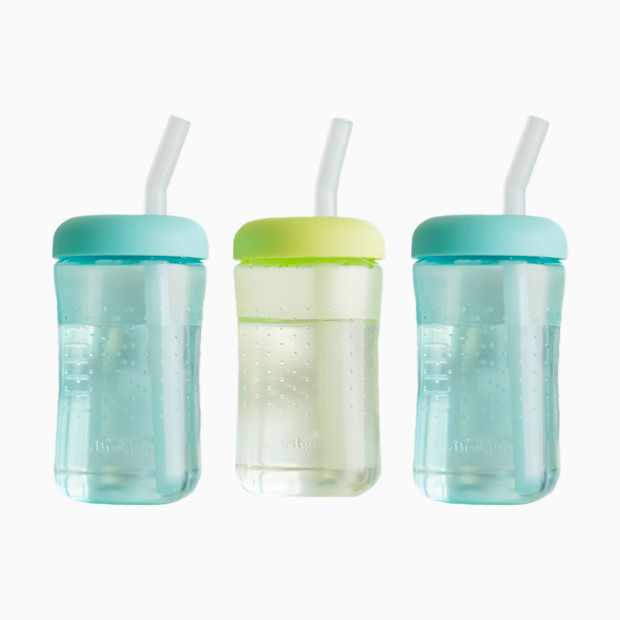
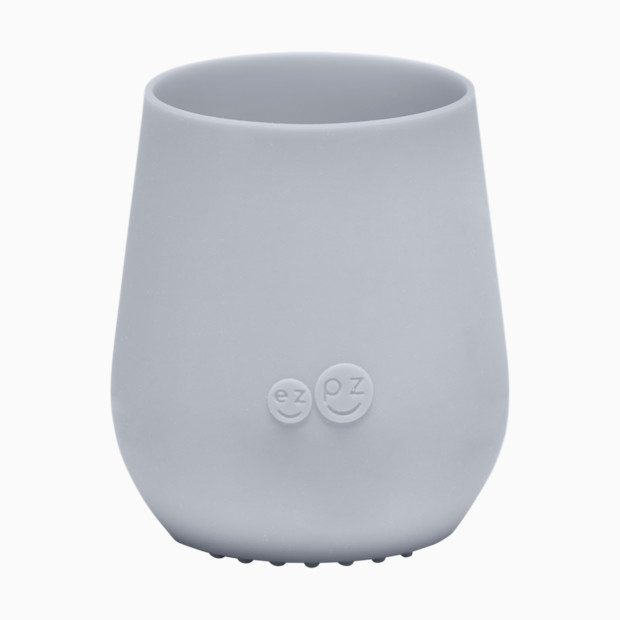
Your baby's ready to practice drinking from a cup and feeding themselves with more precision. Stock up on straw cups that support oral development, suction bowls that stay put during mealtime experiments and silicone bibs that catch what doesn't make it to their mouth (which is still a lot at this stage).

👀 Looking Ahead
First shoes and walkers: Your baby is working toward independent walking. Next week, we'll cover when it typically happens, why walkers aren’t really recommended and what kinds of shoes are best for growing baby feet.
Expert Sources
Babylist content uses high-quality subject matter experts to provide accurate and reliable information to our users. Sources for this story include:
Dr. Amber Bonnaig, a pediatric dentist and dental director at DentaQuest.
Dr. Chris Klunk, board-certified neonatologist at Pediatrix Medical Group.

;)
;)
 - Butter Lemon","url":"https://canary.babylist.com/gp/aeiou-bib-2-pack/25950/2595720","source":"hello_baby"});)